




Management Trainee, Graduate, Trainee and Internship: 5 key differences
Management Trainee, Graduate, Trainee and Internship: 5 key differences
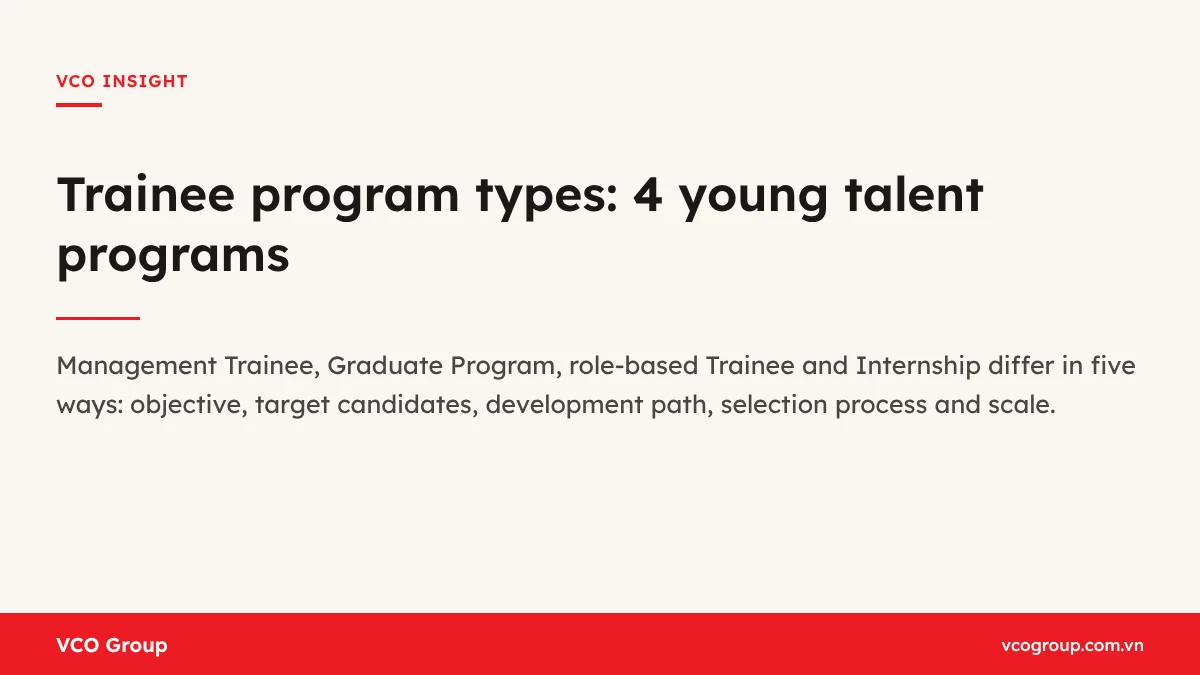
What is a trainee program, and how does a Management Trainee differ from a Graduate Program, Sales Trainee or Internship? Four program types compared through projects VCO ran.
A trainee program can mean very different things, and how a Management Trainee differs from a Graduate Program, Sales Trainee or Internship is the first question employers face when designing a young talent program. VCO compares four program types across more than 100 projects delivered for Vinamilk, L'Oréal, Suntory PepsiCo, Starbucks, Sandoz and others.
Summary of trainee program types
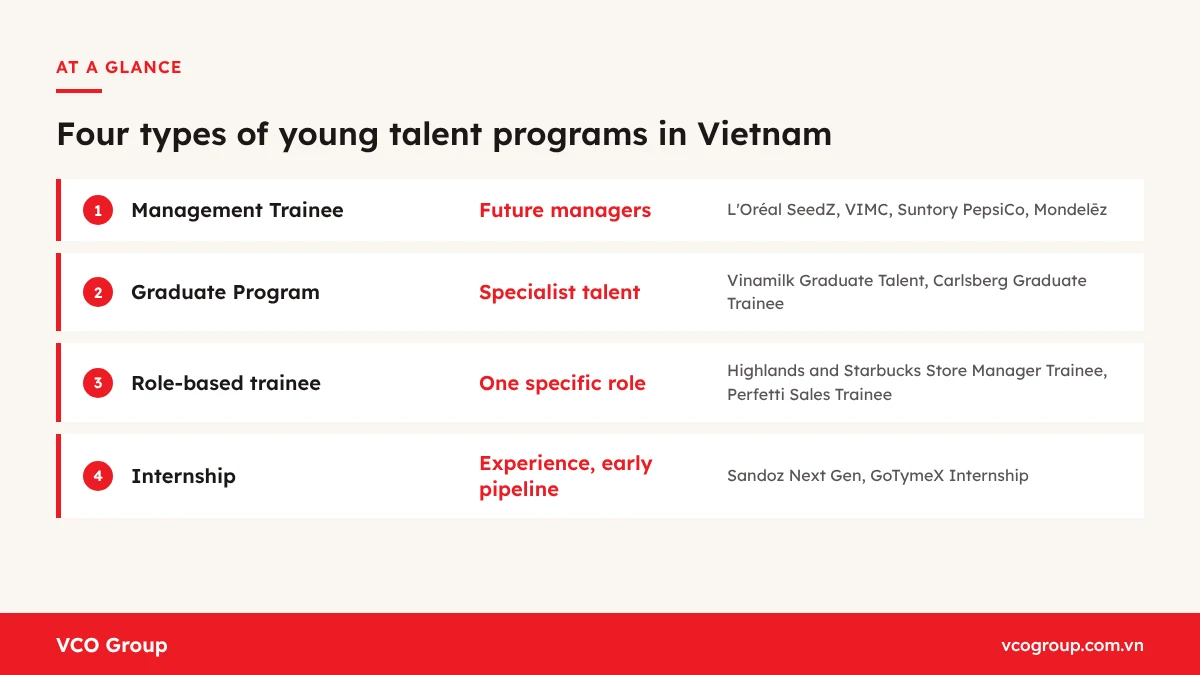
A trainee is a young employee, usually a recent graduate, hired into a structured development path rather than straight into a fixed role. Four trainee program types are common in Vietnam: Management Trainee programs that develop future managers, Graduate Programs that build specialist talent, role-based trainee programs such as Sales Trainee or Store Manager Trainee, and Internships for students. They differ in five ways: objective, target candidates, development path, selection process and scale.
Four types of young talent programs in Vietnam
| Program type | Main objective | Examples VCO has supported |
|---|---|---|
| Management Trainee | Develop the next generation of managers | L'Oréal SeedZ, VIMC Management Trainee, Suntory PepsiCo Management Trainee, Mondelēz Taste The Future |
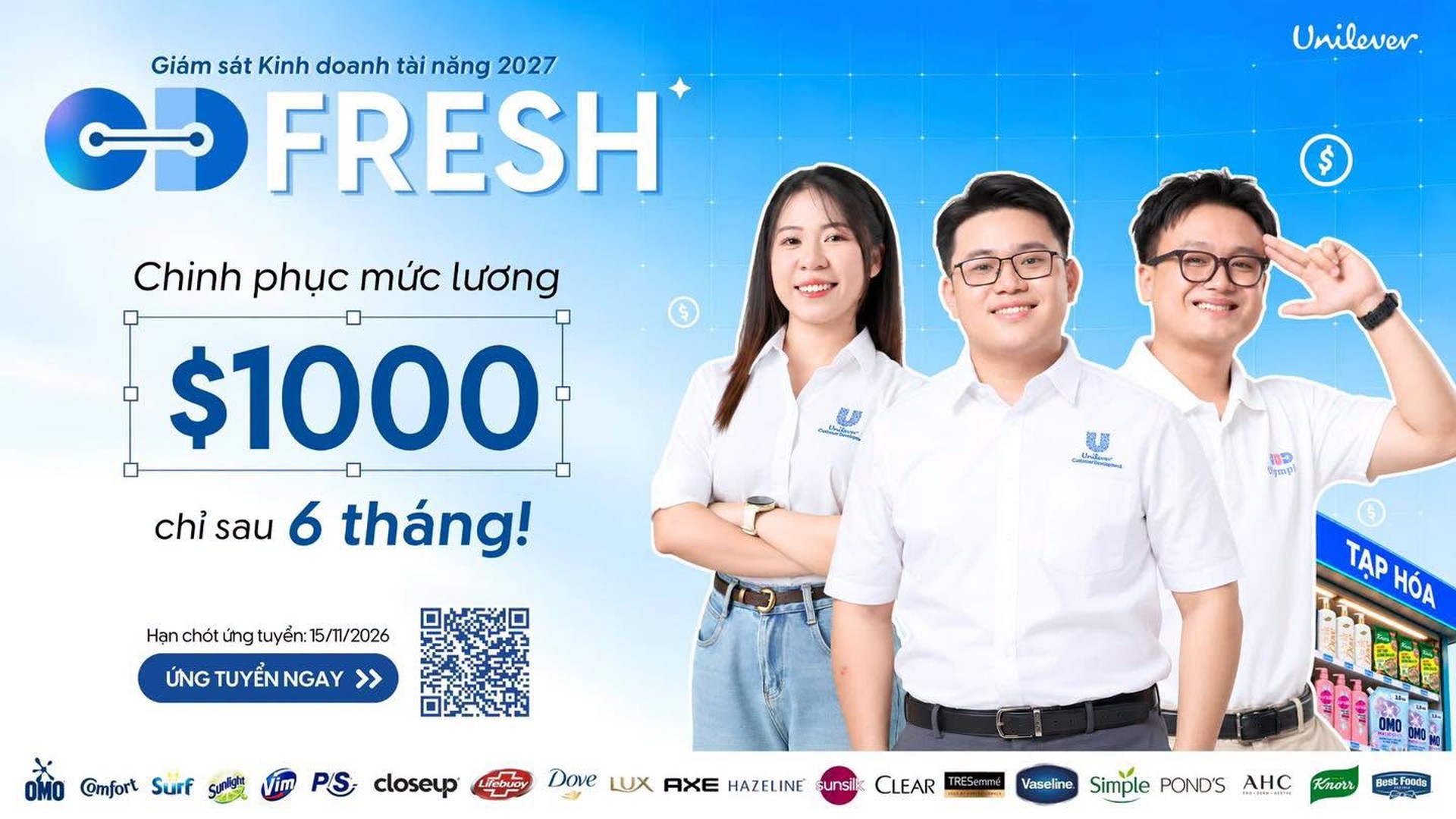
| Graduate Program | Build specialist talent across functions | Vinamilk Graduate Talent, Carlsberg Graduate Trainee, Suntory PepsiCo Graduate Sales and Engineering Trainee |
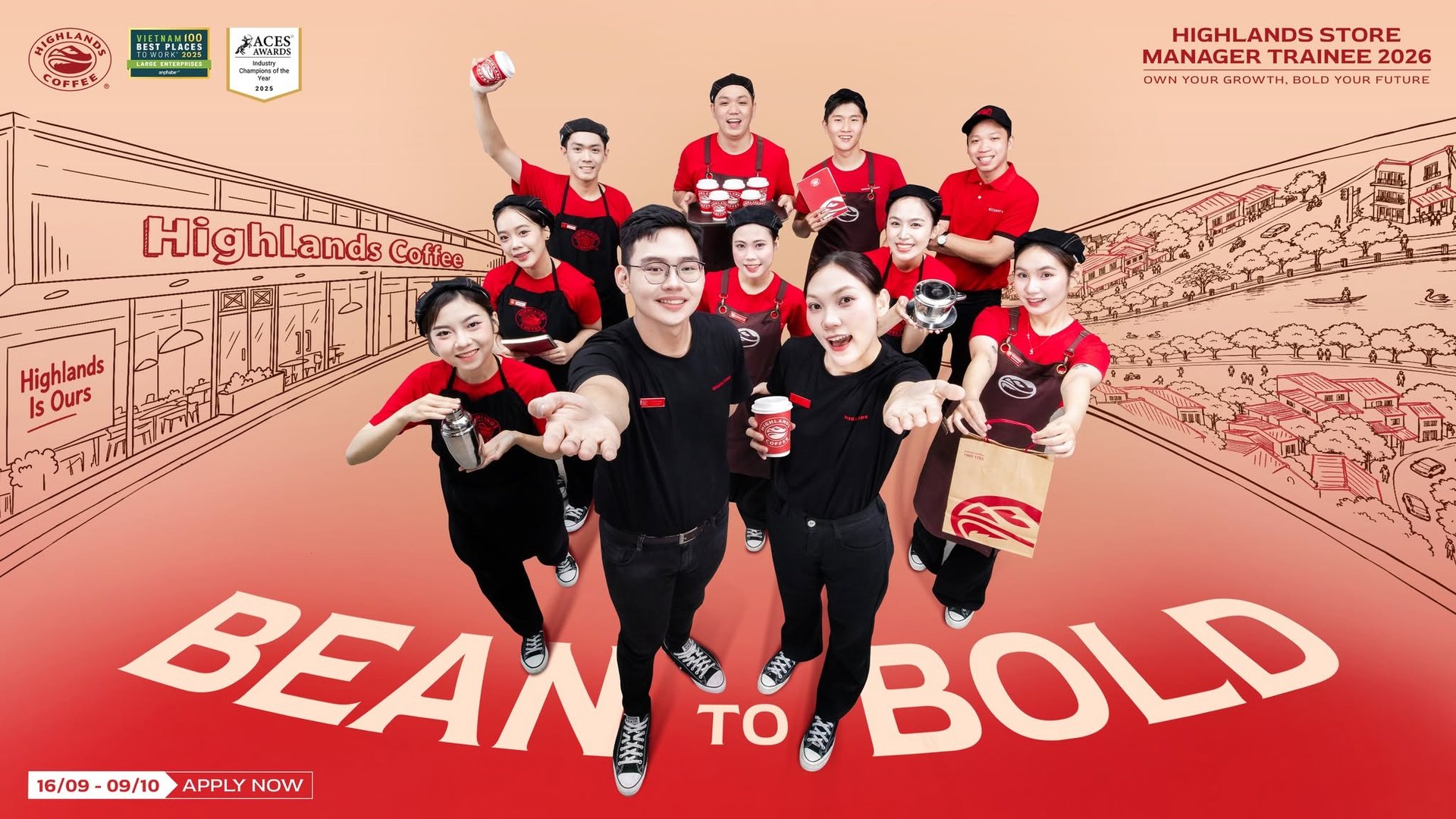
| Role-based trainee | Prepare graduates for one specific role | Highlands Store Manager Trainee, Starbucks Store Manager Trainee, Perfetti Van Melle Sales Trainee |
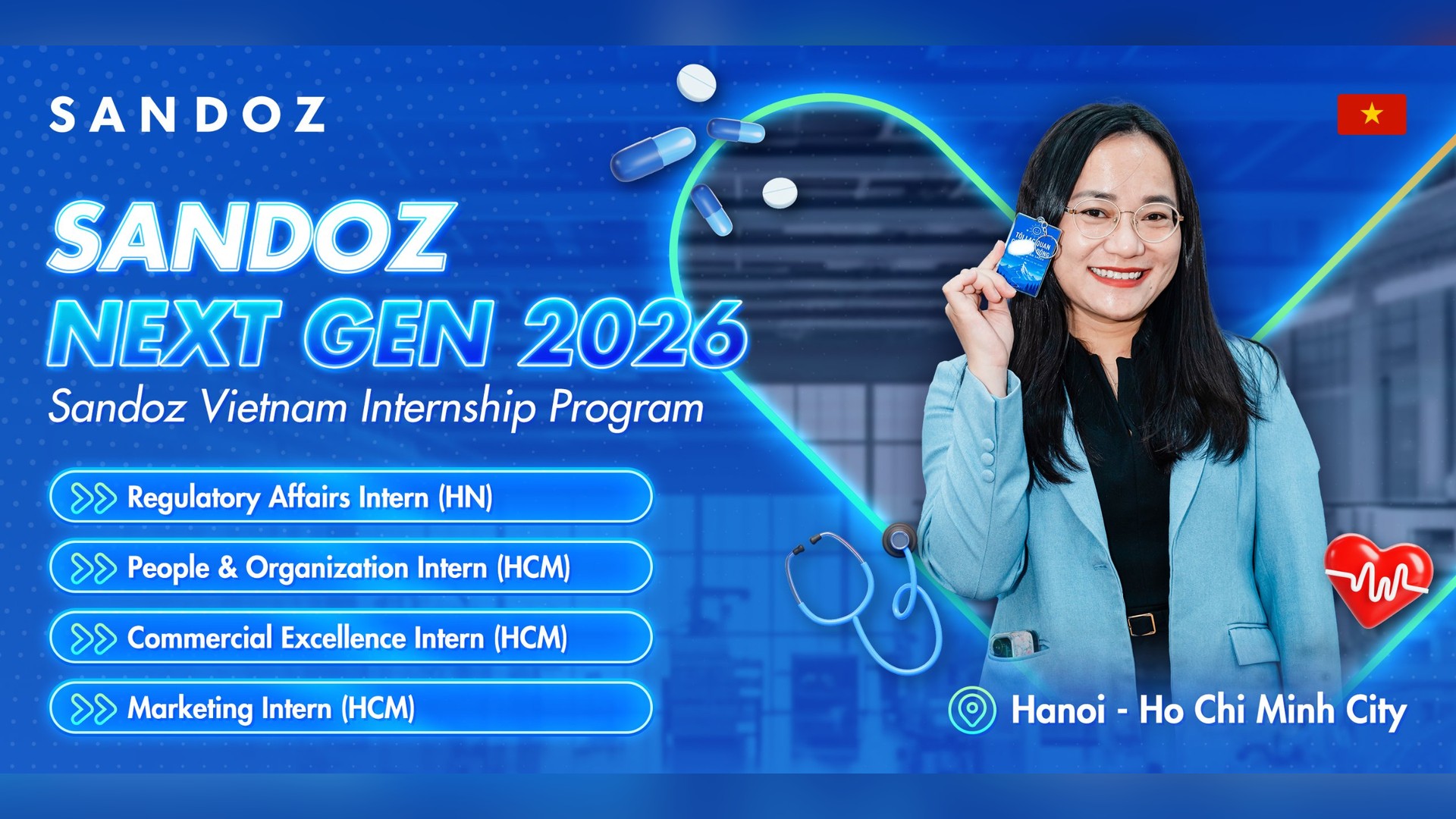
| Internship | Give students experience and build an early pipeline | Sandoz Next Gen, GoTymeX Internship, L'Oréal Medical Internship |
Program names are not standardised across companies. A graduate recruitment program may be called Graduate Trainee in one company and Graduate Talent in another. When designing a program, employers should start from the objective rather than the name.
Objective and target candidates of each trainee program
A Management Trainee program leads to a management role after the development period, so selection focuses on thinking ability, learning speed and leadership potential. A Graduate Program also hires recent graduates, but aims to build strong specialists for functions such as Sales, Engineering and Supply Chain. A role-based trainee program goes straight to one job: Sales Trainee prepares the sales force, and Store Manager Trainee prepares future store managers.
Internships recruit students who have not yet graduated. An internship is commonly defined as a period of work experience offered by an organisation for a limited time. For employers, the goal is to give students real experience and build an early pipeline.
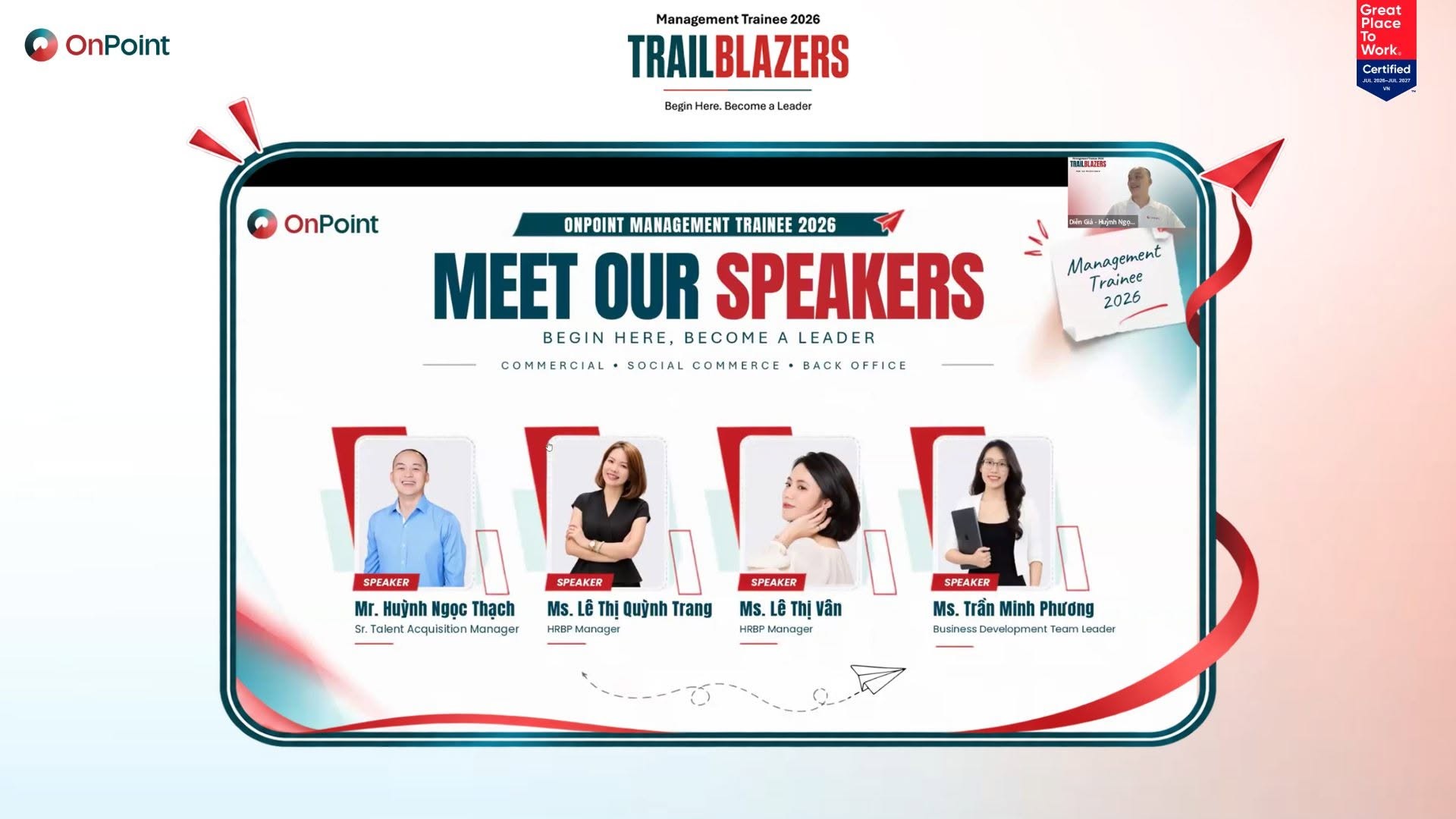
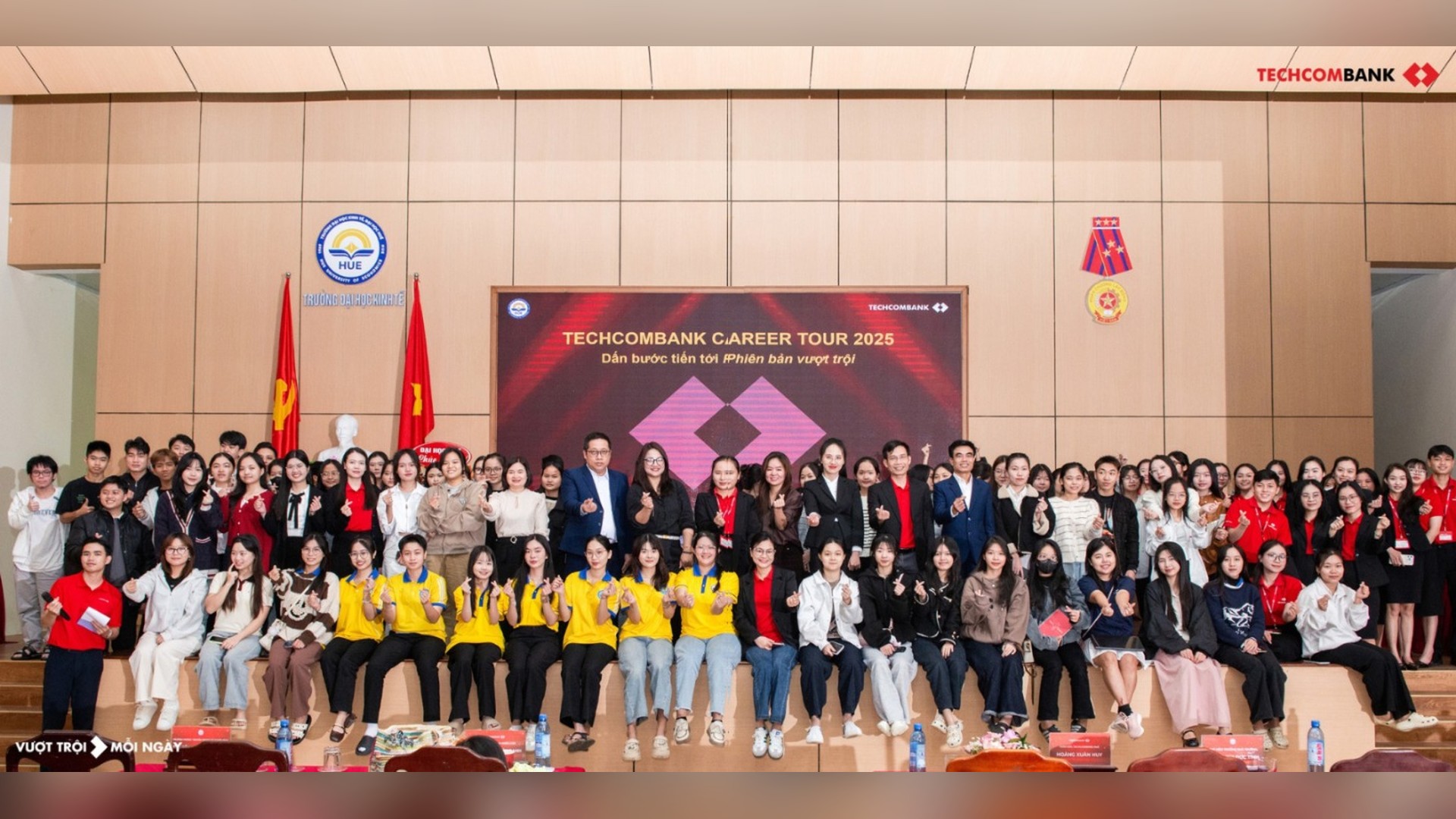
Different candidates require different attraction channels. Highlands Store Manager Trainee 2026 held Career Talks at UEL, UFM and IU to reach students ready to work shifts, while GoTymeX Internship 2026 needed to reach technology students for Backend, AI, Mobile and Data.
Development path: rotation or depth in one role
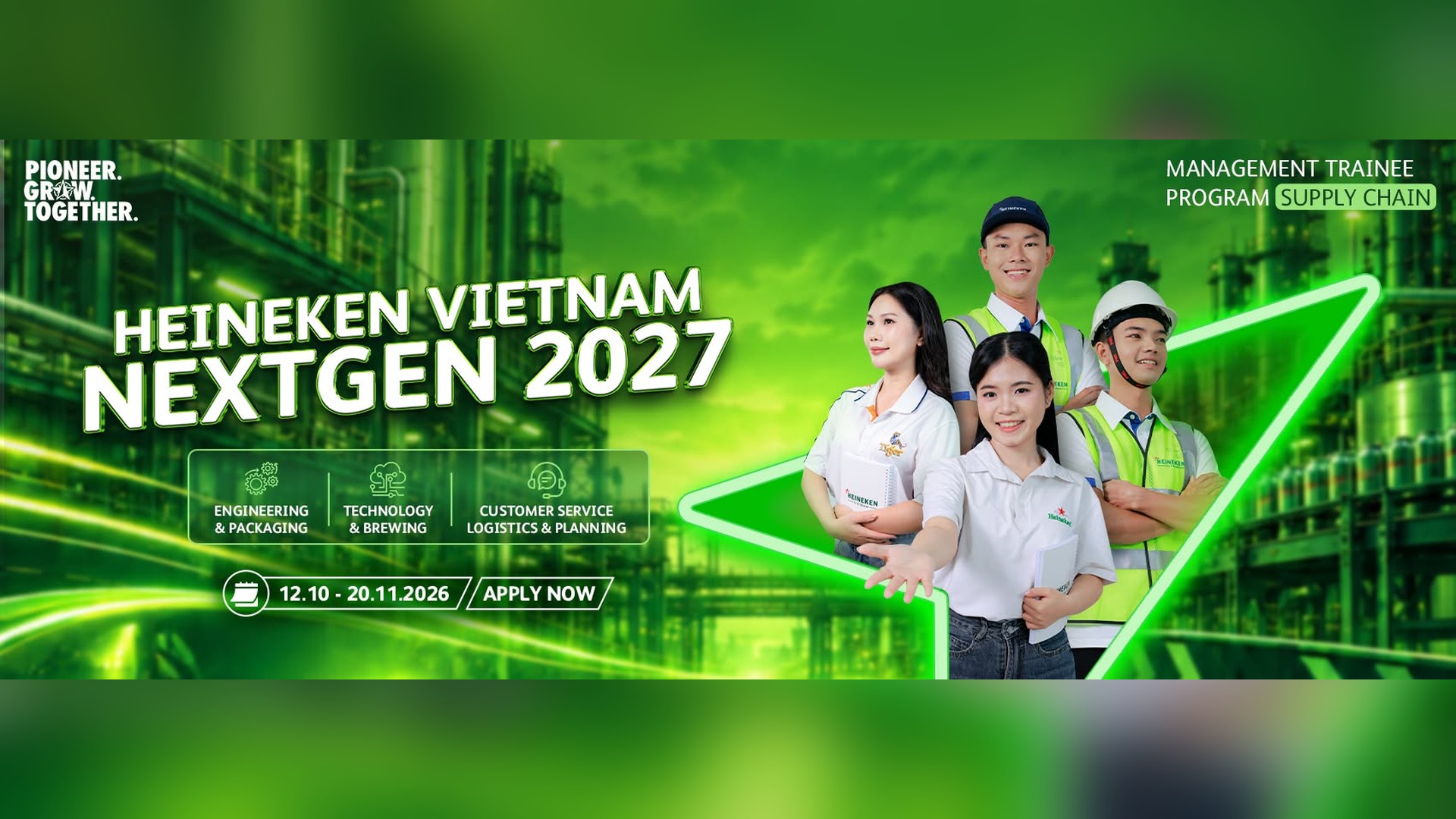
Management Trainee programs usually rotate trainees through several departments so they understand the whole business before taking a management role. HEINEKEN NextGen is an example of a program that emphasises cross-functional rotation. Role-based programs go deep into one path: the Starbucks Store Manager Trainee program lasts 15 months to take a graduate to store manager. Internships are much shorter, such as Sandoz Next Gen with a six-month path.
The length of the path determines the training investment per person, and therefore how selective the employer needs to be at entry.
Selection process: more stages for bigger investments
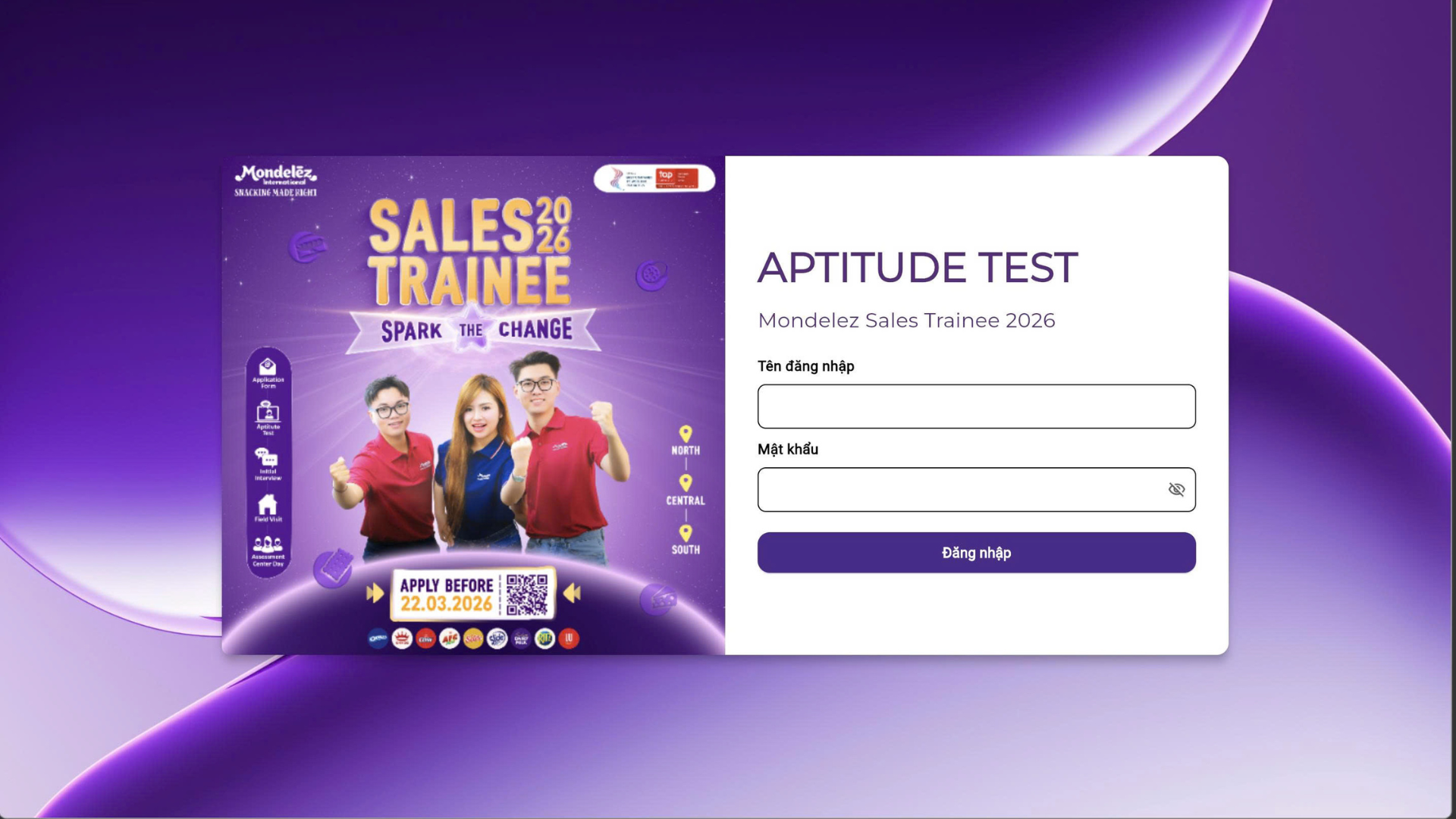
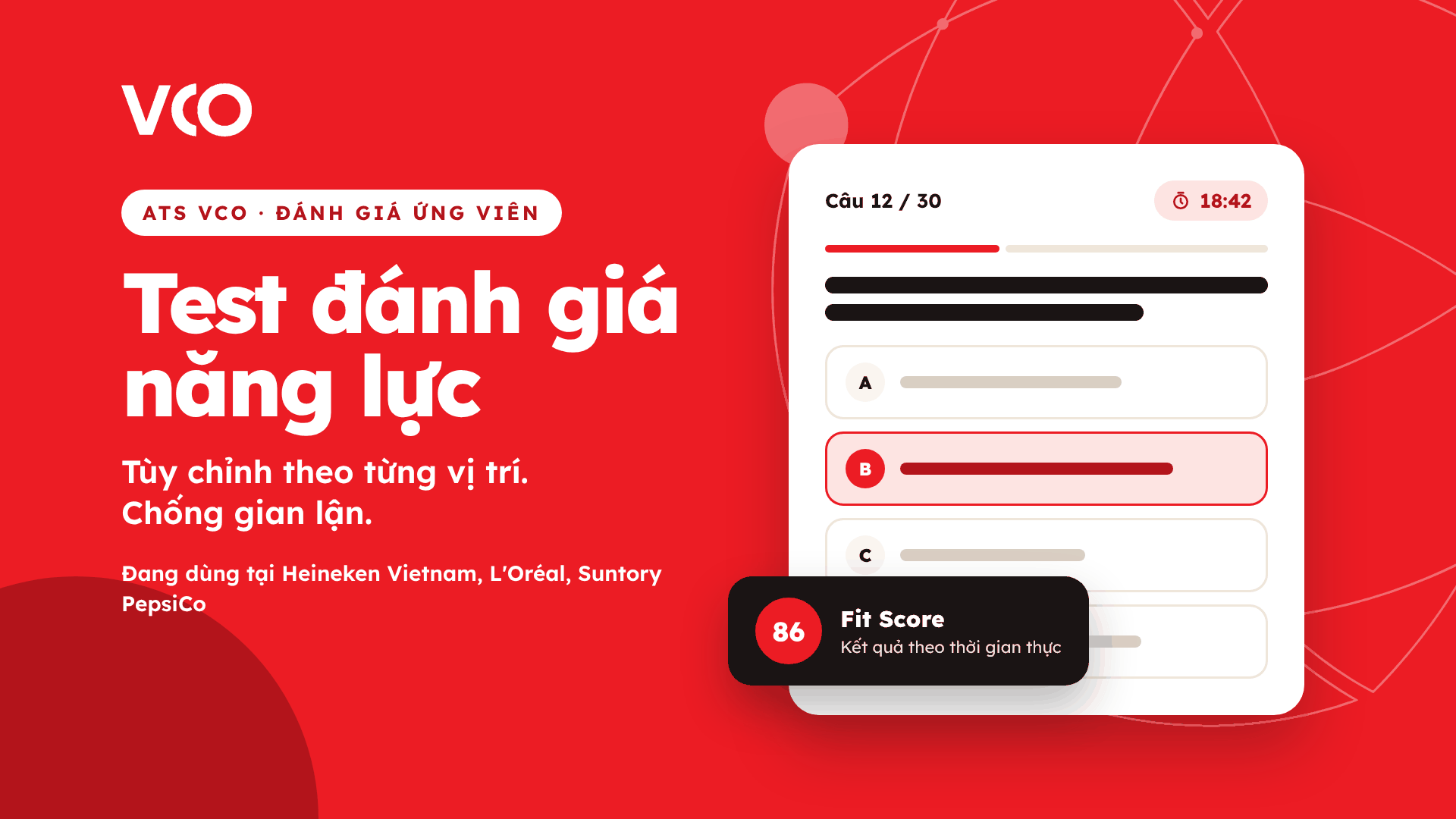
The closer a program leads to management, the more stages it needs. VIMC Management Trainee 2026 used four stages: Application, Aptitude Test, AI Interview and Assessment Center. Starbucks Store Manager Trainee used Application, the V-Test aptitude test and a Business Case in which candidates solve real store business problems. For technology internships such as GoTymeX, the key stage is an anti-cheating coding test where candidates write and run code live.
In every case, early stages should run on a system so all candidates are measured on the same scale, while the company panel focuses on final stages such as the Assessment Center. VCO has built Assessment Center case studies for Starbucks, Perfetti Van Melle, VIMC and Viettel.
Scale and selectivity
Management Trainee and Graduate Programs are highly selective. Vinamilk Graduate Talent 2026 received nearly 7,000 candidates to select 25 Graduate Talents. VIMC Management Trainee 2026 received more than 700 applications for 15 to 20 positions. Role-based programs and Internships usually hire more people per intake, so the focus shifts from selectivity to reach and processing speed.
The article on how many applications a young talent program needs explains how to calculate application targets for each hiring goal.
Which program type should employers choose
- Need future managers within a few years: Management Trainee.
- Need many specialists across functions at once: Graduate Program.
- Need to fill a high-volume role quickly, such as sales or store manager: role-based trainee program.
- Want to reach students early and build employer brand awareness: Internship.
One employer can run several types at once. Suntory PepsiCo runs Management Trainee, Graduate Sales Trainee and Graduate Engineering Trainee programs, each targeting a different candidate pool. An Internship only becomes a pipeline for the Management Trainee program when there is a clear fast-track mechanism.
Resources each program type requires
Each program type needs a different resource structure, and this is the point employers most often underestimate when they run a program for the first time.
Management Trainee programs need the most leadership time. The Assessment Center panel usually includes senior managers from several functions, and after hiring, each trainee needs a mentor in every department of the rotation. Employers should confirm the panel and mentors as soon as the program is designed.
Graduate Programs need several functions to work together at the same time. Each function has its own criteria, so HR must align the candidate profile and the hiring target for each function before applications open. Vinamilk Graduate Talent 2026, which recruited for more than 20 positions, shows the scale of coordination involved.
Role-based trainee programs need reach and speed. They often hire for many stores or regions, so attraction channels must reach candidates at many universities and in many provinces, and the process must move quickly so candidates are not lost along the way.
Internships need mentors for a short, intense period. The value of the program depends on the real experience students receive, so employers need to assign concrete work and have someone follow each intern throughout the placement.
Planning these resources early also helps HR explain the program to senior leaders. When leaders see how much of their own time each stage requires, they are more likely to protect that time once the season starts.
Common mistakes when designing a trainee program
The most common mistake is choosing a name before defining the objective. A program called Management Trainee that in practice hires for a sales role attracts the wrong candidates and disappoints trainees after they join.
The second mistake is using the same selection process for every program type. A multi-stage process suits a Management Trainee program but is too heavy for an Internship, while a very short process does not produce enough evidence to select future managers.
The third mistake is treating the first season as a one-off hiring exercise. Trainee programs create value over several seasons: the first season lays the foundation, and later seasons build on the data, the candidate community and the employer brand that already exist.
A fourth mistake is measuring success only by the number of applications. Application volume matters, but the more useful measures are how many candidates complete each stage, how consistent the scores are across seasons, and how many trainees stay and grow after the program ends.
Three things to do next
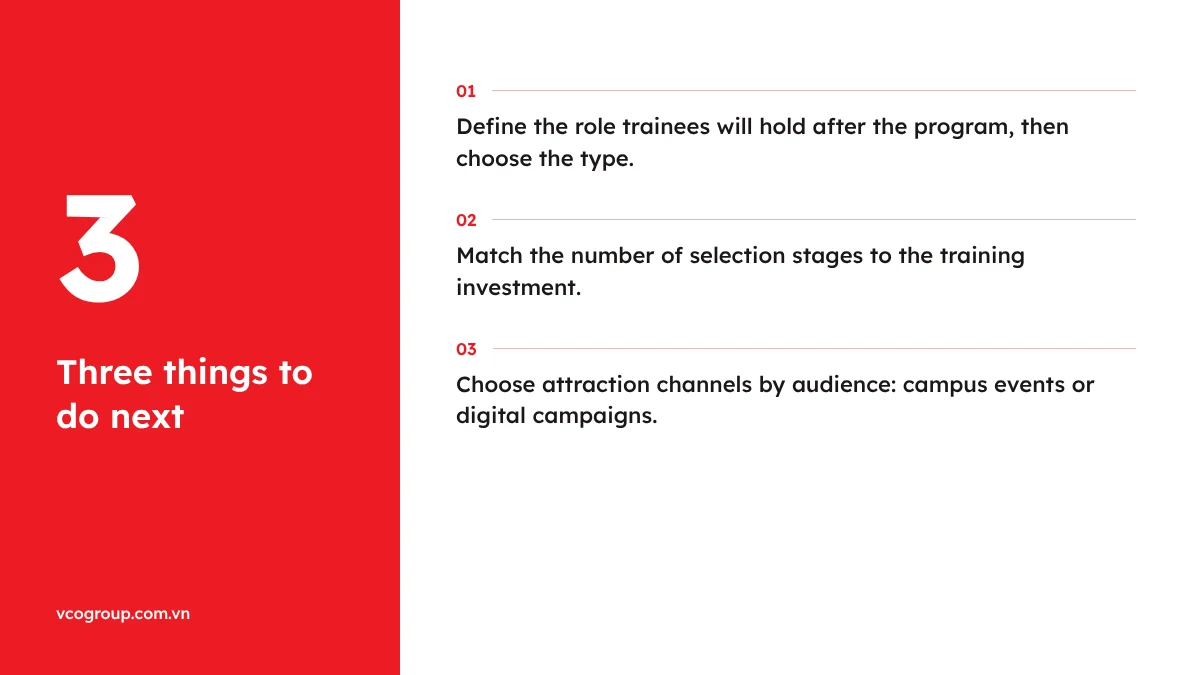
- Define the role trainees will hold after the program, then choose the program type and name.
- Match the number of selection stages to the training investment: management programs need an Assessment Center, role-based programs need job-related tests.
- Choose attraction channels by audience: campus events for specific majors, digital campaigns for broad programs.
Frequently asked questions
What is a trainee program?
A trainee program hires young people, usually recent graduates, into a structured development path before they take on a permanent role. Depending on the objective, it can be a Management Trainee program, a Graduate Program, a Sales Trainee or Store Manager Trainee program, or an Internship for students.
How is a Management Trainee program different from a Graduate Program?
A Management Trainee program develops recent graduates into future managers, usually through rotation across departments and a multi-stage selection process that ends with an Assessment Center. A Graduate Program builds specialist talent for functions such as Sales, Engineering and Supply Chain, so the path goes deeper into one discipline rather than rotating.
Is an internship a pipeline for the Management Trainee program?
Not automatically. Internships and Management Trainee programs usually target different candidate pools. An internship becomes a pipeline for the MT program only when the employer designs a clear fast-track mechanism, for example letting top interns enter a later stage of the MT selection.
About VCO Group
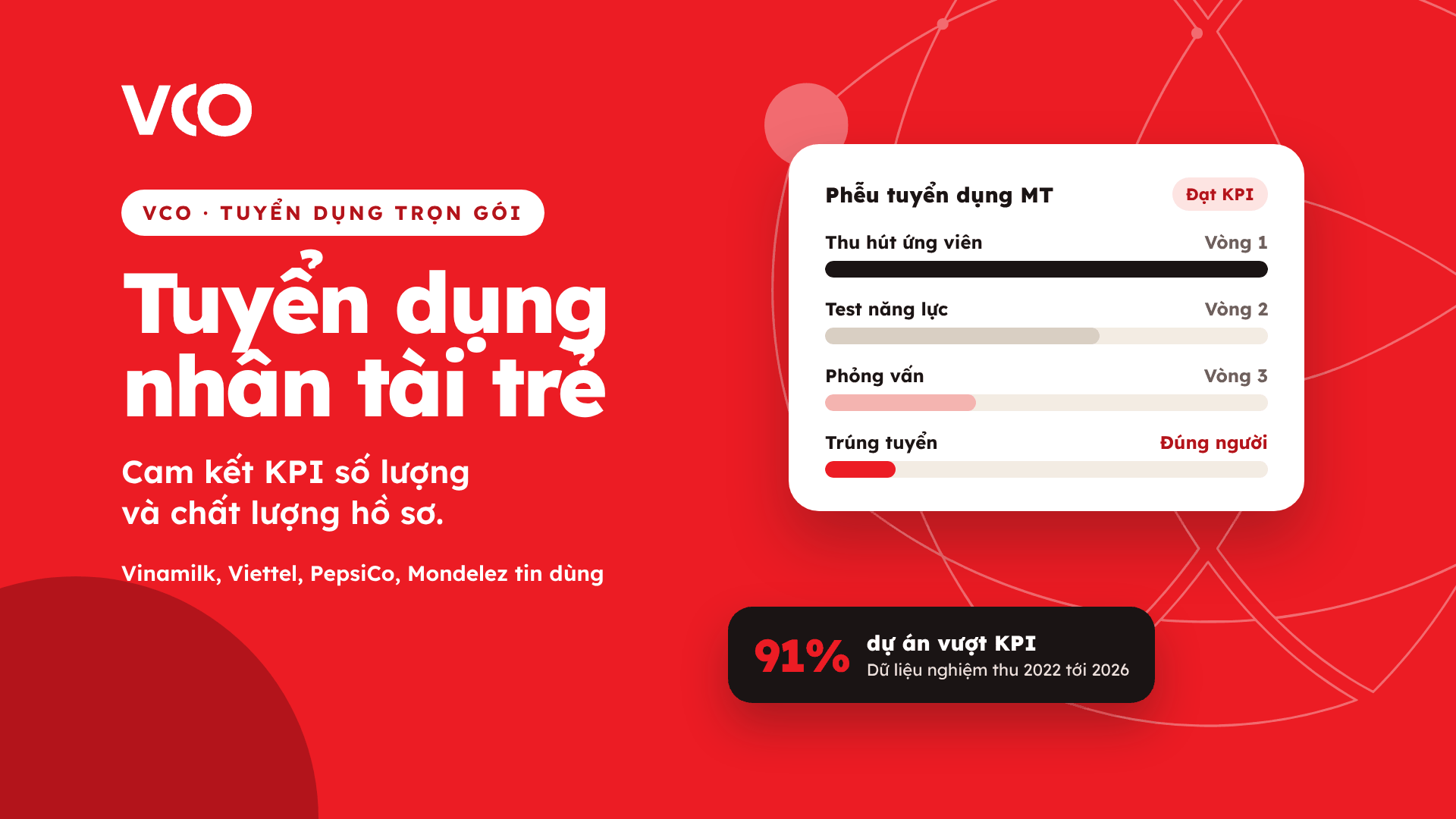
VCO runs end-to-end young talent programs in Vietnam and has delivered more than 100 projects for Vinamilk, Unilever, Suntory PepsiCo, HEINEKEN, L'Oréal, Coca-Cola, Starbucks, Carlsberg, VIMC and Highlands Coffee, with 91% of projects exceeding committed KPIs. Learn more about VCO's young talent recruitment service.
Chia sẻ bài viết:


Tin liên quan
17 Aug - 2026
How many applications does a Young Talent Program actually need?
VCO Group analysed 21,000+ Young Talent Program applications in Vietnam to answer how many applications you need to fill your interview round.
17 Aug - 2026
Four metrics that should replace total applications in your hiring report
Total applications is the easiest number to see but says nothing about which channel works. VCO Group proposes four replacements for early-careers hiring reports.
17 Aug - 2026
One attraction campaign can serve two different hiring needs
One in four Young Talent Program applicants already has work experience. VCO Group data shows how to split the funnel without adding attraction cost.
17 Aug - 2026
The ability gap within one university is nearly 8 times the gap between universities
VCO Group data from 21,000+ applications shows the ability gap between candidates at the same university is nearly 8 times the gap between universities.
17 Aug - 2026
A baseline for testing every CV rejection criterion
VCO Group proposes a quantitative baseline for testing any CV rejection criterion, by comparing it against rejecting applications at random.